


Modernizing because a system is old can be just as risky as not modernizing it.
Old technology is not necessarily a problem.
A system may have been running for many years, rely on technologies that would no longer be chosen for a new project, and still operate reliably, at an acceptable cost, while meeting the company's needs.
In that situation, modernizing simply because the system is old may mean taking on significant cost and risk without a strong enough reason to do so.
On the other hand, the fact that a system still works does not necessarily mean that keeping it as it is remains the best decision.
The question should not simply be whether the system is old. It should be whether keeping it still makes sense for the business.
Keeping the system is a decision too
Doing nothing often looks like the least expensive option.
And sometimes it is.
If the system is stable, does not require excessive effort, presents manageable risks, and does not limit the company's ability to evolve, keeping it may be a perfectly rational decision.
The problem arises when that decision considers only the immediate cost.
A system can continue working while maintenance becomes more expensive, changes take longer, critical knowledge becomes concentrated among a few people, or new initiatives begin to run into its limitations.
In that situation, keeping the system does not mean avoiding investment.
It means continuing to accept its existing costs and risks.
“Let's rebuild it” comes with risks too
As limitations accumulate, rewriting the system from scratch can start to look like the simplest answer.
A fresh start creates an opportunity to revisit old decisions, adopt current approaches, and build something better aligned with today's needs.
But there is an important detail: systems that have been running for years contain much more than code.
They embody business rules, exceptions, integrations, and decisions made over time to address real situations. Some of that knowledge may be poorly documented — or may not even be recognized as a business rule until the new system behaves differently.
A rewrite therefore means rebuilding that behavior as well.
That does not make rewriting the wrong choice. But it does mean that its cost and risk cannot be measured only by the effort required to build the replacement.
Modernization doesn't have to mean replacing everything
There are many options between leaving everything untouched and rebuilding the entire system.
Some parts may continue working exactly as they are while others are replaced.
The real problem may be concentrated in integrations, access to data, manual processes, specific components, or the difficulty of making changes safely.
So before deciding to modernize an entire system, a more useful question may be:
Which parts actually justify the investment and risk of changing them?
This perspective makes it possible to focus investment where there is a concrete reason to change while preserving the parts that continue to serve the business well.
The return isn't just about reducing costs
A modernization initiative often has to compete for budget with other business priorities.
It is therefore reasonable to ask what return the investment will generate.
Savings on infrastructure, licenses, or support are relatively easy to identify. But they may represent only part of the return.
- How much does it cost to make a change today?
- How much of the team's capacity is consumed by maintenance?
- Which risks could be reduced?
- Which initiatives are being delayed because of the system's limitations?
- How much critical knowledge is concentrated among a few people?
Some of these factors can be translated directly into numbers. Others require estimates and judgment.
What matters is not assuming that something has no economic value simply because it is difficult to measure precisely.
A better decision starts by comparing the options

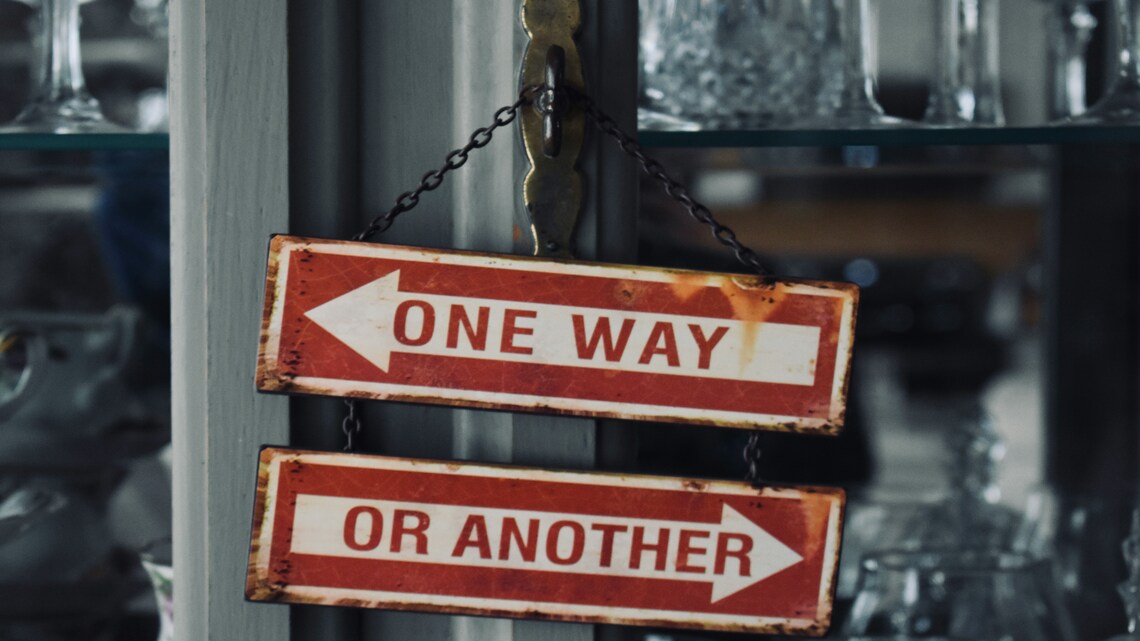
Before asking how much modernization will cost, it is worth comparing what happens under different scenarios.
- What will it cost to keep the system for the next few years? Which risks will remain?
- What would gradual modernization change? Which problems would it solve, and which ones would remain?
- And what would it cost to replace or rewrite the system? Which benefits would justify that investment, and what new risks would it introduce?
The comparison does not need to produce a technically perfect answer.
It needs to support a better decision.
Because ultimately, the question is not only how much modernization will cost. It is how much staying where you are may cost instead.
Learn more
If your company recognizes the limitations of an existing system but is still unsure whether they justify modernization, a rewrite, or simply keeping the current environment, it may be too early to discuss technology.
First, you need to understand the problem, the costs, the risks, and what the business expects to gain from making a change.
Schedule an initial conversation with TruStep. We can discuss your current situation, evaluate the alternatives, and help identify which paths make sense before turning modernization into a project.